When Grain Growth Models Don’t Grow Real Grains
Gator Microstructure

Picture a bustling medieval city: houses of all shapes, roads interweaving unpredictably, and gates that won’t budge because of stubborn gatekeepers. That’s exactly what modeling mesoscale grain growth feels like—chaotic, unpredictable, and utterly maddening. Sure, we have tools like phase-field, Monte‑Carlo Potts, and cellular automata to simulate this thermal dance at the grain level. But each has quirks that make them fall short of mimicking real-world materials.
Spread Spectrum Reflectometry on Complex Transmission Lines Repository

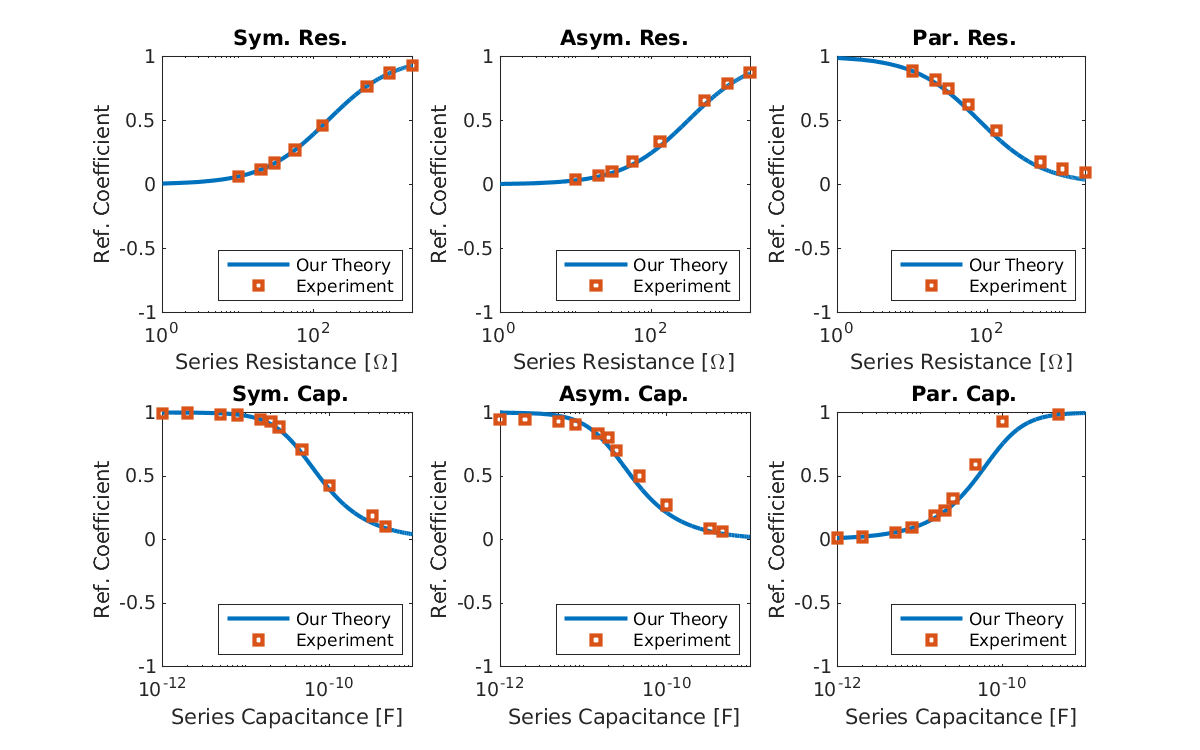
Predicting reflection coefficients

Transmission lines aren’t always simple—especially in complex systems like aircraft wiring, industrial cabling, or sensor networks. As these systems age, hidden faults, impedance mismatches, and parasitic elements can quietly degrade performance. Detecting those issues without disrupting the system? That’s the challenge.

This CodeOcean capsule implements a Spread Spectrum Time Domain Reflectometry (SSTDR) algorithm for detecting and localizing lumped elements—like capacitors and resistors—on asymmetric transmission lines, developed by Ayobami Edun, based on the work of Sabeti, Leckey, De Marchi, and Harley.

Sparse Wavenumber Recovery in Anisotropic Composites Repository

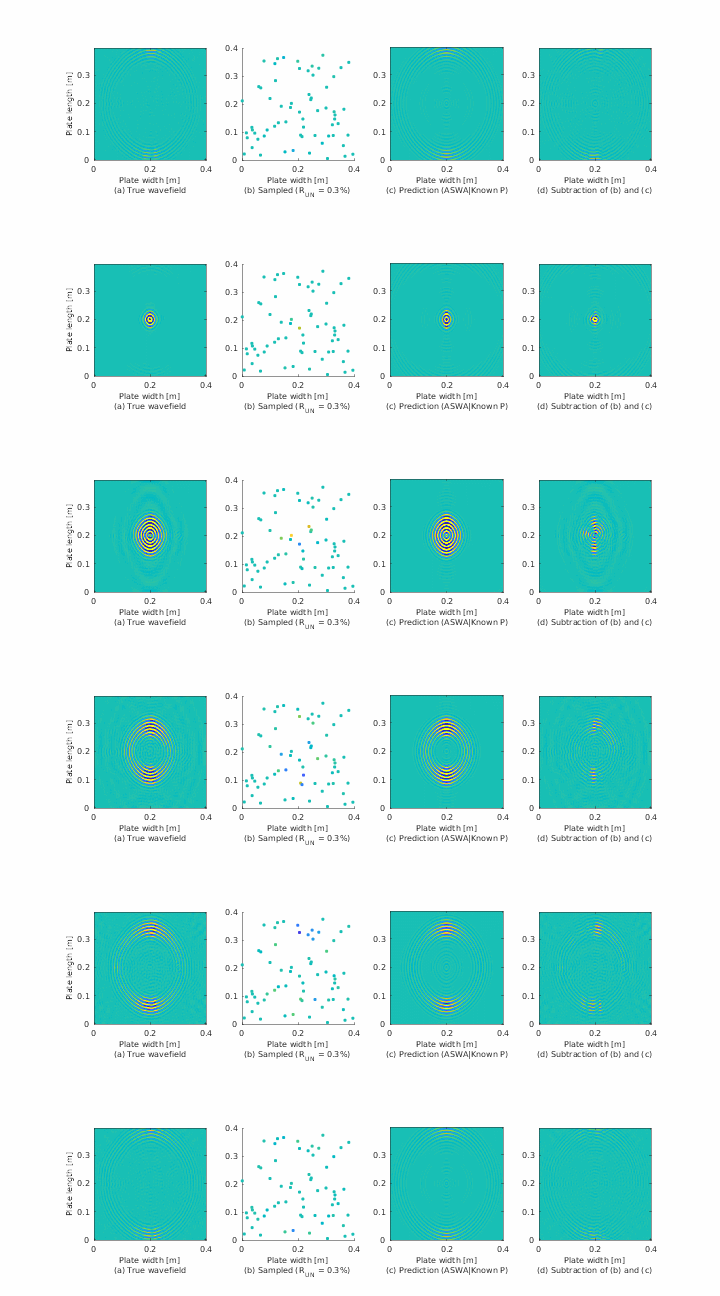
Wavefield animation

Guided wave imaging is a cornerstone technique in structural health monitoring (SHM), especially for composite materials. But composites are anisotropic—meaning wave speeds and behaviors vary with direction—which makes interpreting wave propagation challenging.

This CodeOcean capsule presents the algorithm and tools for Sparse Wavenumber Recovery (SWR) developed by Soroosh Sabeti, which leverage compressed sensing and sparse signal processing to efficiently extract anisotropic wavenumber content from limited measurements.